


|
From the Coordinator
Dear readers, Now, in Summer 2026, EDU-LAB has just passed its implementation equator, and this third issue of the project's Newsletter marks a shift in tone. The first year was, in many ways, the year of foundations: building the conceptual scaffolding, mapping the available evidence, and bringing the consortium into a shared analytical frame. This issue is where we begin to share what those foundations have produced. In the pages that follow you will find EDU-LAB's work along several research streams. First, empirical modelling of pathways of youth transitions (WP1). Then, a systematic review of which policies and practice measures work and what unintentionally fails (WP2). A third stream (WP3B) has yielded its first results and findings as outcomes of the first two waves of the OSES-Delphi expert survey. A distinct fieldwork effort was the implementation of 12 Case Studies in seven European countries (WP4), with its extensive programme of focus groups, workshops and other components; this empirical effort is now reaching its culmination, and the first unique research outcomes will be presented publicly already in October 2026. Last, but not least, EDU-LAB is increasingly present in academic and policy venues, from the Kosovo Academy of Sciences and Arts in Prishtina to AlmaLaurea's annual conference in Matera. Looking ahead, in the concluding project phase we shall finalise the OSES-Delphi effort with a series of qualitative expert interviews. The first comprehensive results will be delivered from the quantitative strand. Multiple further outcomes (reports, policy briefs, the data Dashboard, etc.) are scheduled for wider open presentations at various international conferences, as well as in a series of five public EDU-LAB webinars during 2026–2027 and a concluding project conference in late 2027 in Vienna. Warm regards, |
The transition from education to employment is often perceived as a simple step: finishing your studies and going into the labour market. Recent research findings increasingly show that young people's transitions are rarely linear. They are characterised by diverse educational and career paths, various decision-making phases, and a multitude of influencing factors.
During its first year, the Horizon Europe project EDU-LAB developed a conceptual framework designed to provide a better understanding of how young people navigate education and training systems and ultimately enter the labour market. Deliverable D1.1 provides a systematic mapping of the different educational pathways, forms of transition and influencing factors that shape and structure these processes. The framework makes it clear that young people's transitions should not be understood as isolated events, but rather as dynamic and multidimensional processes influenced by individual circumstances, institutional structures and overarching socio-economic conditions.
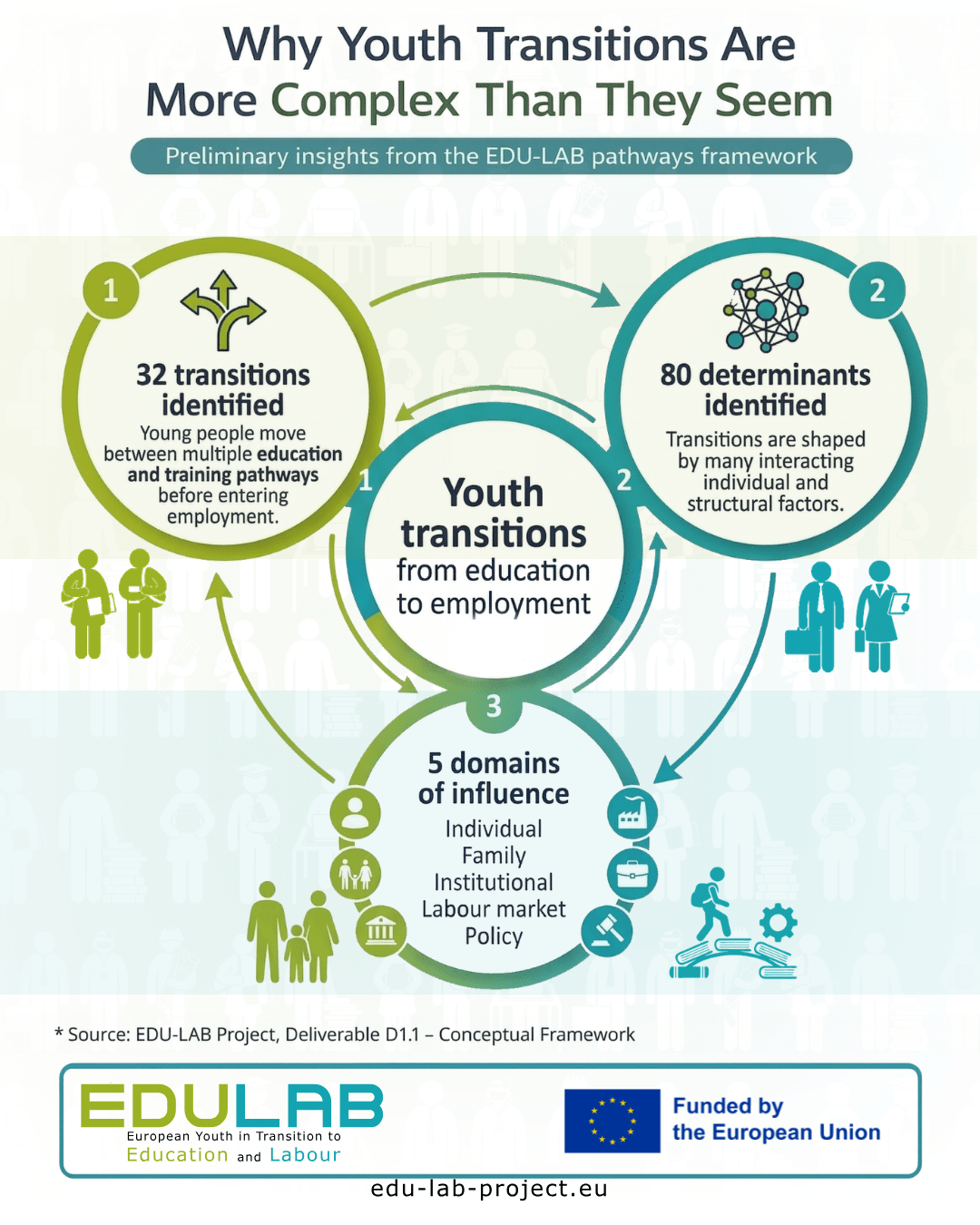
© Infographic by Stanislav Savov (Economica)
One of the key findings of the EDU-LAB Pathways Framework is that young people do not follow a uniform or standardised path from education to employment. Transitions often involve several stages: shifts between different forms of education and training, progression within educational systems, and entry into the labour market. The framework identifies a total of 32 different types of transition between general education, vocational education and training (VET), and various forms of entry into the labour market. The perspective here is that transitions are not single points in time but sequences of multiple steps and decisions that can extend over longer periods.
More than 80 intersectional determinants have been identified and assigned to different spheres of influence: individual characteristics and experiences; family background and parental influence; institutional structures within education systems; labour-market conditions; and policy environments. These factors do not usually operate in isolation but interact with one another, further increasing the complexity of transitions.
The framework takes into account how students' interests, self-assessment of abilities and expectations for the future interact with parental expectations, financial circumstances and institutional provision. Systemic factors such as entry requirements, programme structures and employment opportunities also shape the options actually available. Young people's transitions cannot be explained solely by individual decisions without taking into account the structural contexts within which these decisions are made.
In addition to individual and institutional factors, the framework emphasises the importance of overarching contextual conditions: economic developments, demographic changes and external influences that can affect education and labour market systems. It also takes into account the role of policy measures and public investment aimed at improving access to education, promoting equal opportunities and increasing participation in education and training.
By systematically mapping educational pathways, forms of transition and determining factors, the Pathways Framework creates an important foundation for further research within the project. In the next project phases, EDU-LAB will build on these findings and deepen them through data analysis, expert consultations and qualitative research, to better understand how these educational and career pathways are structured and function in different European contexts.
Year one's WP2 systematic review pulled together the European evidence on what makes youth transition policies effective, and, just as importantly, on the unintended effects that even well-designed policies can produce. We pair the two findings here because, as the WP2 team put it, "recognising what works and what unintentionally fails are two sides of the same evidence base."
The goal of many policies and programmes across Europe is supporting youth in their transitions from education and training into the labour market: improving participation, strengthening pathways into work, and reducing the share of young people classified as NEET (not in education, employment or training). During year one of the project, EDU-LAB conducted a systematic literature review of policies, programmes and investments supporting youth transitions. Deliverable D2.1 examines the effectiveness and efficiency of such measures and identifies unintended effects and evidence gaps. The review suggests that effectiveness depends on integrated support systems, targeted measures, strong vocational pathways, coordinated investment and improved monitoring frameworks, rather than on any single intervention.
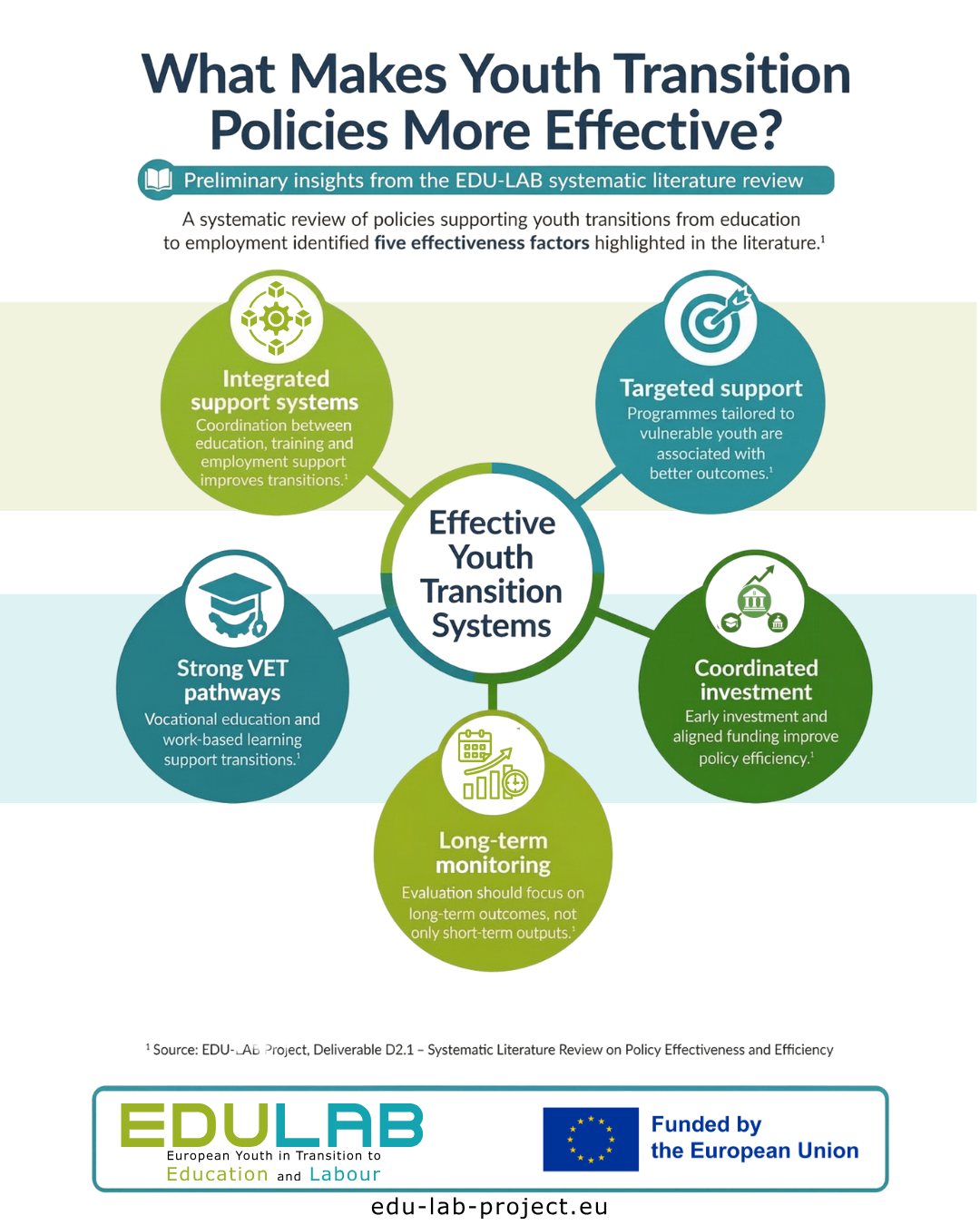
© Infographic by Stanislav Savov (Economica)
Integrated support systems appear more effective. Comprehensive structures that link education, training and employment support tend to outperform fragmented ones. Coordination between education systems, labour-market institutions and support services is an important condition for effective transitions.
Targeted support remains important for vulnerable groups. Socio-economic inequalities, regional disparities, gender employment gaps and barriers related to mental health make uneven outreach a persistent risk. Broad policy coverage by itself may not suffice without targeted approaches that address different starting positions and needs.
Vocational pathways and work-based learning play an important role. Strong VET pathways, including apprenticeships and employer engagement, are associated with smoother transitions, with effectiveness depending on quality, relevance and system coordination rather than on any single model.
Efficiency depends on coordinated investment and evaluation. Early investment, coordinated funding and robust evaluation frameworks help cost-benefit alignment, especially when funding structures align with long-term objectives.
Monitoring long-term outcomes remains a key challenge. Monitoring frameworks tend to focus on outputs rather than long-term outcomes, even though youth transitions unfold over much longer periods. Progression, stability and transition quality need to be better captured.
Policy effectiveness depends on institutional context. Different transition patterns across Nordic, continental, liberal (market-oriented), Southern and Eastern European systems reflect variations in governance, vocational systems and labour-market conditions. The effectiveness of policy cannot be separated from the institutional environments in which it operates.
Read the effective-systems article →
Policies designed to support young people in their transition from education and training into employment are generally created with positive goals in mind. One of the early insights from EDU-LAB is that policies do not always lead to the outcomes initially intended: even well-designed measures can produce unintended effects that need to be better understood. D2.1 identifies six categories of unintended effects, which highlight challenges that may arise alongside intended policy outcomes.
- Reinforcing stratification between advantaged and disadvantaged youth. Young people already well connected to support systems are easier to reach than peers who are not, so programmes may look successful in activity terms while still struggling to engage those facing the greatest barriers.
- Focus on unemployed NEETs rather than harder-to-reach inactive youth.
- Short-term activation that may lead to precarious pathways. Funding structures and incentives can prioritise rapid entry into employment without sufficient attention to long-term stability or progression, while monitoring systems often emphasise outputs rather than longer-term outcomes.
- Over-emphasis on individual employability rather than structural conditions. When the main focus is on the individual level, broader labour-market and institutional barriers may remain insufficiently addressed.
- Mobility effects that may delay or misalign transitions.
- Complex governance and fragmented support systems. Overlapping programmes and weak coordination between initiatives can reduce policy coherence and make support difficult to navigate. Gaps between European-wide policy frameworks and national or local implementation contexts also affect how policies operate in practice.
Limited youth voice is a related, recurring concern. The literature points to weak feedback loops as one reason intended effects may not be fully achieved. EDU-LAB's qualitative work with young people in WP4 is part of how the project addresses this.
The findings do not suggest that youth-transition policies are ineffective overall. Many areas were identified where integrated support systems, targeted programmes and strong vocational pathways are associated with more positive transition outcomes. Recognising unintended effects is part of how policy improves.
EDU-LAB Delphi stands for the Online Survey of Experts and Stakeholders (OSES) and complements findings from the project's other sub-studies by systematically collecting and analysing the "opinions and voices of experts and stakeholders" on the project's main research themes. The effort involves all project partners, who contribute through the co-design of survey tools, their localisation for participating countries, and the recruitment of qualified respondents.
Two survey waves are complete. A panel of 433 experts across nine countries shows which trends in education and work they consider most likely, and reveals a striking gap between what they expect and what they want.
The design is a sequential, mixed-methods Delphi. It began with 47 exploratory expert interviews that mapped the issue space. Together with partner input these produced a pool of 106 candidate statements, which a transparent, partner-rated reduction process condensed into 30 trend statements across four themes: Education and Training; Labour Market and Employment; Transitions and Systemic Interfaces; Inclusion and Disadvantage. Experts then rated every statement on five dimensions: desirability, importance for policymakers, conflict potential, and likelihood of realisation within five and within fifteen years.
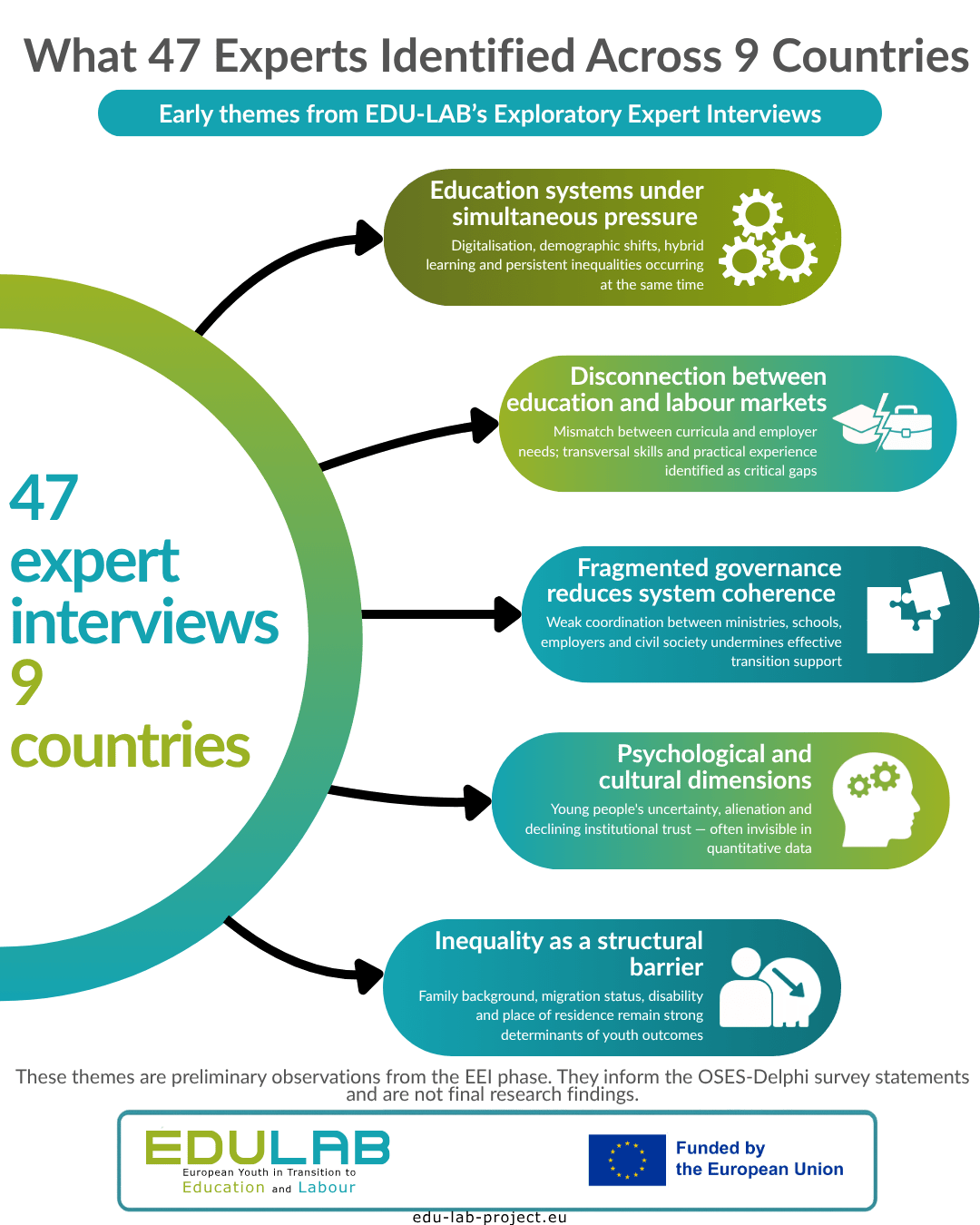
© Infographic by Stanislav Savov (Economica)
Wave 1 ran from 4 March to 10 April 2026 and produced a cleaned dataset of 433 experts, with 376 holding a master's, doctorate or equivalent. The panel spans all six stakeholder clusters and is anchored in the nine EDU-LAB countries (407 responses), with the largest national contingents in Finland, Austria, Kosovo and Italy. Wave 2 (4 May to 10 June 2026) returned the Wave 1 results to participants for structured reassessment and closed with 207 completed responses.
| 47exploratory expert interviews | 433Wave 1 expert panel | 207Wave 2 responses | 30trend statements |
The clearest emerging signal is a normative gap in the inclusion domain. Trends such as widening educational inequality, the persistence of social-class effects and intensified discrimination are judged highly undesirable by the panel, yet among the most likely to materialise and the most socially divisive. By contrast, only one statement, that illiteracy after eight or nine years of schooling could become the norm, splits the panel into genuinely opposing camps. At this descriptive stage the OSES reports what the data show; in-depth interpretation and the integration of the quantitative and qualitative strands will follow in the coming months.
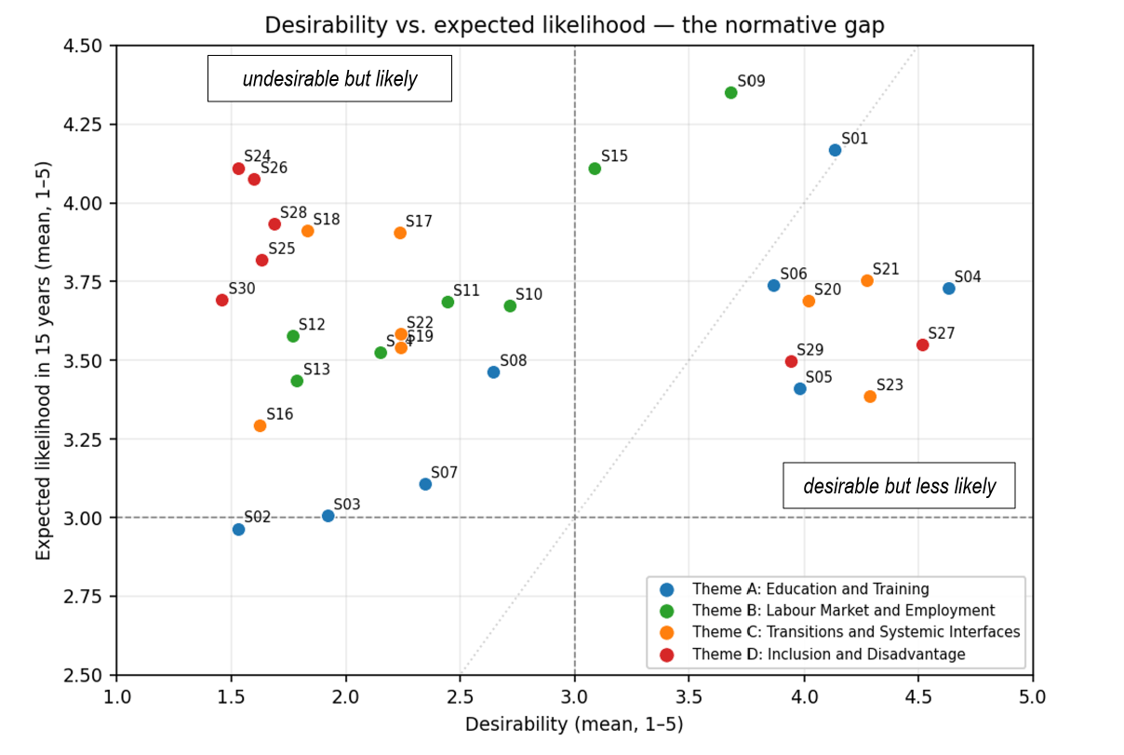
© Infographic by Stanislav Savov (Economica)
This part of EDU-LAB's extensive empirical programme deals most directly with young people's experiences during education, training and the transition to the labour market. Led by Universidade Lusófona and in collaboration with the University of Graz, Tampere University, AlmaLaurea, Kolegji AAB, Maria Grzegorzewska University and Birmingham City University, this work package brings together qualitative multi-case study research across the various project sites.
Following an intensive preparatory phase, WP4 is now well into the fieldwork phase. Common tools and protocols for data collection have been provided, ethical and data protection requirements have been implemented, and recruitment and data collection are underway in the case study countries.
At the time of the most recent WP4 progress report, the fieldwork had already reached a considerable scale. A total of 223 institutions had been contacted, 75 had agreed to collaborate, and 19 cooperation agreements had been signed. A total of 1,314 young people were involved in the study through 113 group onboarding sessions and more than 200 individual onboarding sessions. In addition, 727 informed consent forms and 617 short demographic questionnaires were collected.
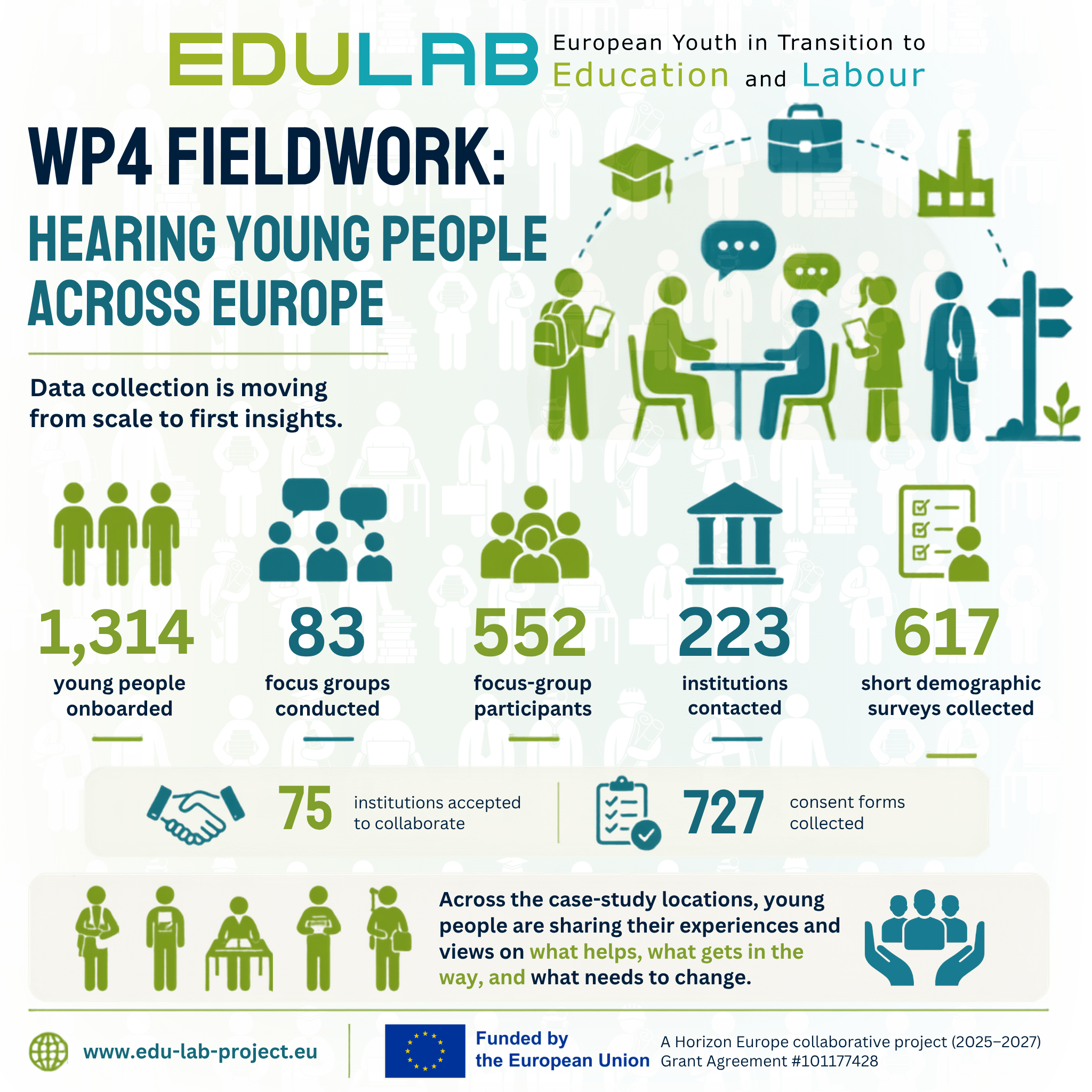
© Infographic by Stanislav Savov (Economica)
| 1,314young people involved | 83focus groups conducted | 552focus-group participants | 19cooperation agreements signed |
Focus groups form a central component of the methodology of WP4. To date, 83 focus groups involving a total of 552 participants have been conducted, in person, online and in hybrid formats. The groups comprise young people from general and vocational education, higher education, those in employment and those seeking work, as well as young people who are neither in education, employment, nor training.
The country reports received to date show that young people's pathways and transitions are not characterised by individual, isolated barriers, but by interlinked challenges. Financial insecurity, concerns about the future, mental health pressures, limited opportunities to gain initial work experience, inadequate links between education and the demands of life, including the labour market, and gaps in institutional support recur across the various contexts.
At the same time, young people are not merely identifying existing challenges. They are also developing concrete proposals for change, including better financial support during training, stronger career guidance, meaningful learning and paid work placements, more support in the areas of mental health and learning difficulties, fairer recruitment procedures, and closer cooperation between educational institutions and employers.
In the next phase of the Case Studies Programme, the focus will increasingly shift to analysis and reflection. Initial evaluations are already underway in parallel with ongoing data collection. The in-depth analysis will be based on a shared codebook and a supplementary analysis protocol. This will be followed by the systematisation of the individual case studies and countries, and comparative analyses.
Further results will be published via the EDU-LAB project website, the newsletter and social media channels. Fall 2026 and the first half of 2027 will be dedicated to the analysis of the collected data, a detailed description of the methodology and deployed tools, as well as preparing the data for open access in suitable GDPR- and IPR-compliant forms and formats.
In early October 2026, the initial observations from the implemented fieldwork programme and the outcomes of this research strand will be openly presented to all interested researchers and stakeholders in an open webinar. This will be the opening event of a series of open EDU-LAB online workshops during 2026–2027. Stay tuned: the registration link will be added once available, very soon.
Each issue of the EDU-LAB newsletter spotlights two consortium partners. This time, in alphabetical order:
|
Birmingham City University (BCU)
United Kingdom
|
Birmingham City University is a large metropolitan institution committed to widening access to higher education for students from across the West Midlands, many of whom are the first in their families to go to university. BCU has been a leading proponent of the "students-as-partners" approach in higher education, and within EDU-LAB it leads case-study work in the Birmingham and Worcestershire regions, bringing the lived experience of young people in transition into the project's evidence base.

|
Evaluation Agency Baden-Württemberg (EVALAG)
Germany
|
EVALAG's core competences are in the evaluation of higher education and research, consulting on organisational development, cooperation projects (including Erasmus+), and higher-education research. The agency's work is based on internationally accepted standards and conforms to the principles of the European Higher Education Area (EHEA). Within EDU-LAB, EVALAG leads WP1 and co-leads all other work packages.
Beyond the work-package outputs, EDU-LAB partners have been carrying the project's findings into national and European venues. Below is a selection of past appearances and upcoming events across the consortium: it is far from an exhaustive list, simply a snapshot of the kinds of participation partners have been engaged in.
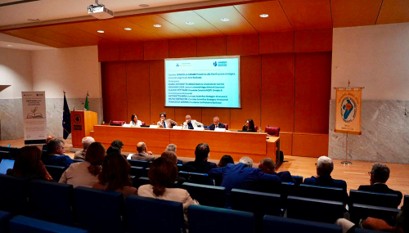
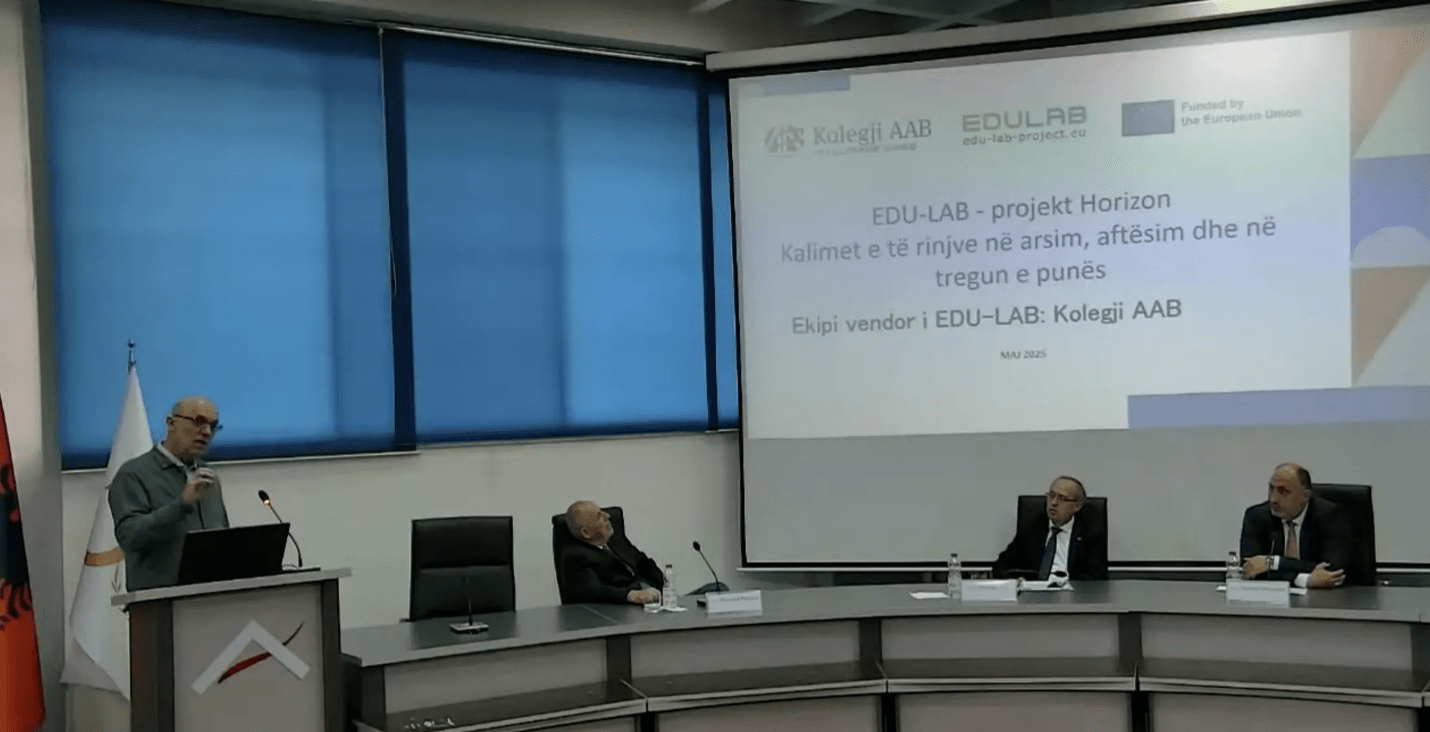
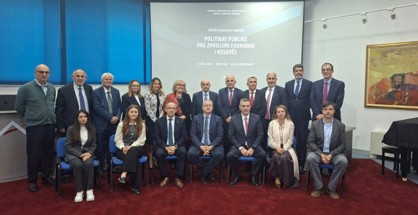
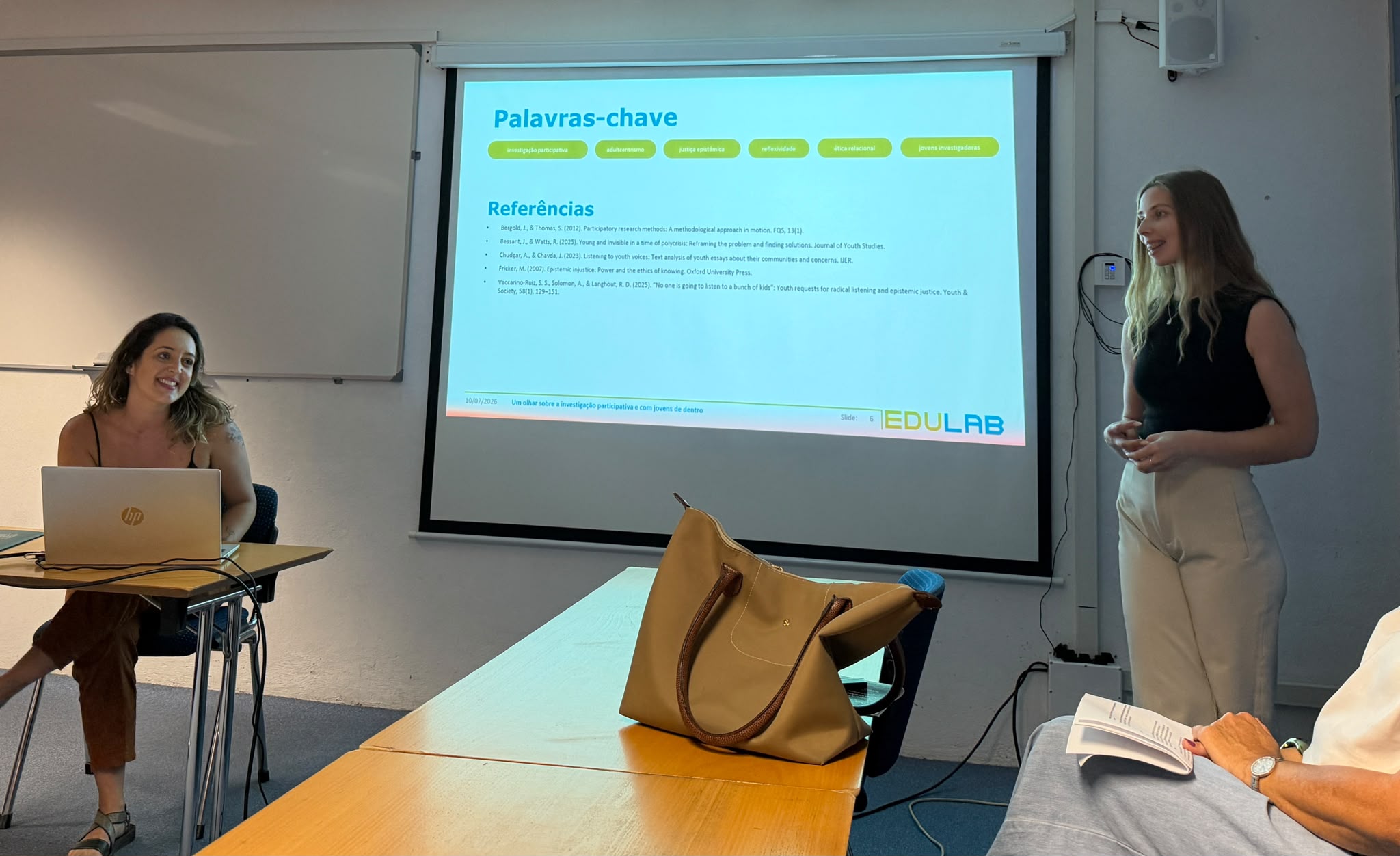
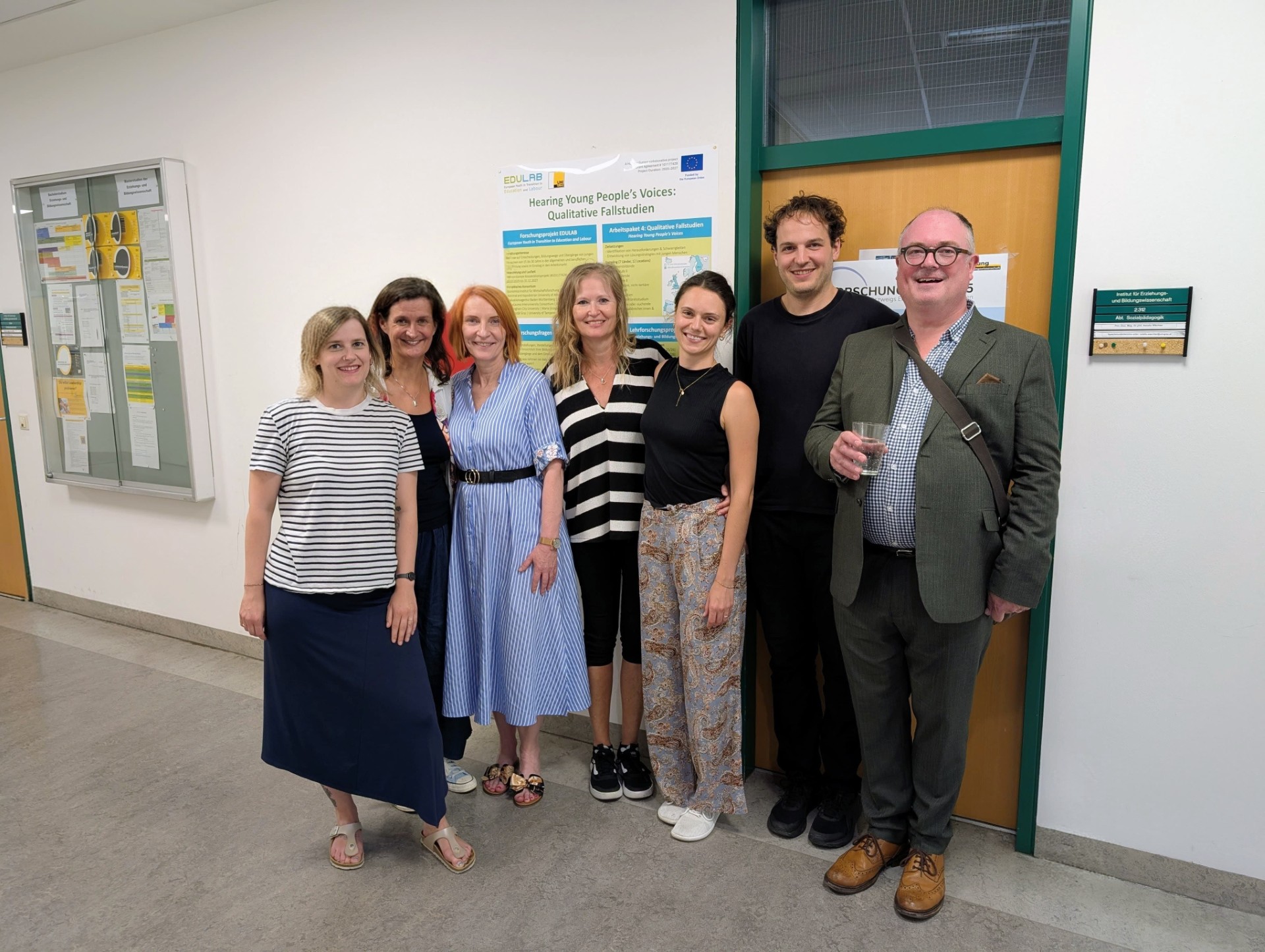
EDU-LAB will hold a dedicated project symposium at the ECER 2026 conference in Tampere on 18 August, with individual papers presented by Alexander Chvorostov, Theodor Leiber and the Kosovo team from AAB College. The AAB team has prepared a dedicated project leaflet, which will be printed in 100 copies and disseminated to attendees on site.
Alexander Chvorostov and Theodor Leiber will present papers at the CHER 2026 conference in Catania (31 August to 2 September) and will take part in a workshop co-organised by the EDU-LAB and NEXT-UP teams.
Two publication updates from EDU-LAB partners this issue: a newly published monograph on higher-education innovation governance, and an open Springer Nature collection call for article submissions.

By the close of the first reporting period, EDU-LAB had moved from building common frameworks to generating evidence at scale. These figures capture the strongest signs of that shift.
| 1,314 young people onboarded across the WP4 case-study locations |
| 83focus groups conducted with 552 participants | 433experts in OSES-Delphi Wave 1; 207 Wave 2 responses |
| 49datasets identified; 20 characterised and quality-assessed | 32transition types mapped alongside 80+ intersectional determinants |
Together, these strands connect three levels of evidence: European data, expert judgement and young people's lived experience. The next phase will bring them together through comparative analysis and WP5's synthesis, policy briefs and practical tools.
|
|
|
|
|
|


|
|


|
A Horizon Europe collaborative project (2025–2027). Grant Agreement # 101177428. Funded by the European Union. Views and opinions expressed are however those of the author(s) only and do not necessarily reflect those of the European Union or the European Education and Culture Executive Agency (EACEA). Neither the European Union nor EACEA can be held responsible for them. |
To unsubscribe or update preferences, contact the project communications lead.